Home

Category

Accidental Discoveries

16 articles

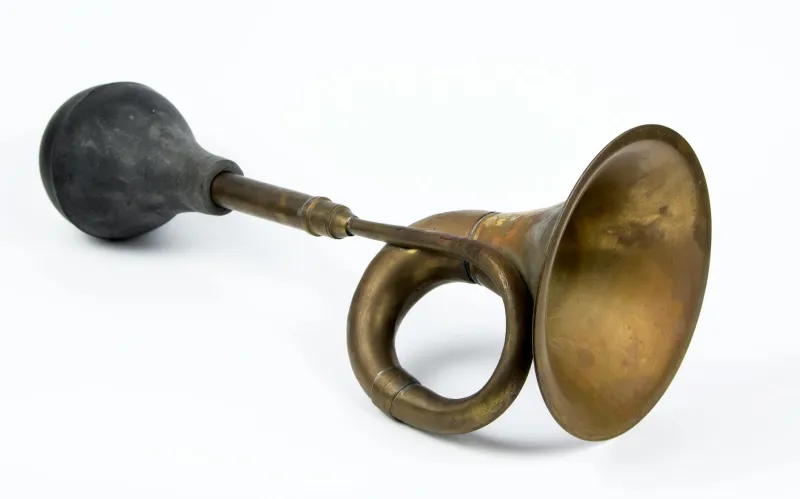
The Foghorn That Found Its Way From Sea to Stadium

The Foghorn That Found Its Way From Sea to Stadium

What started as a life-saving maritime safety device somehow became the most recognizable sound in American sports. The journey from ship deck to stadium bleachers reveals how necessity breeds the most unexpected cultural icons.

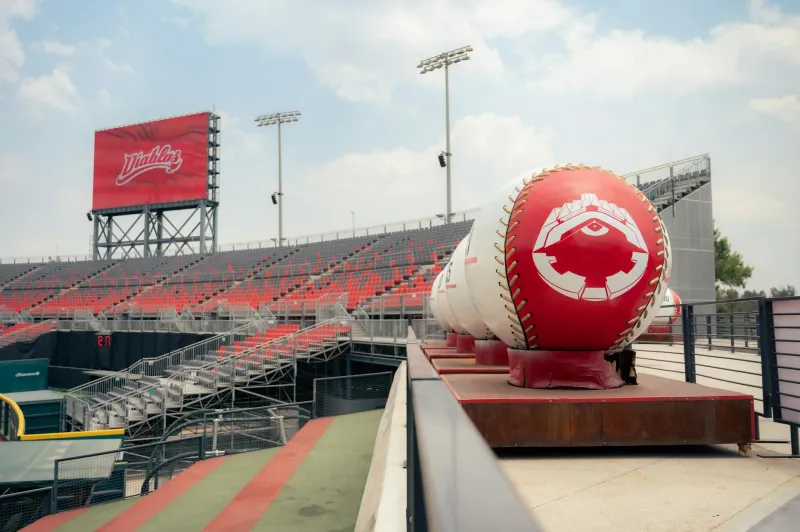
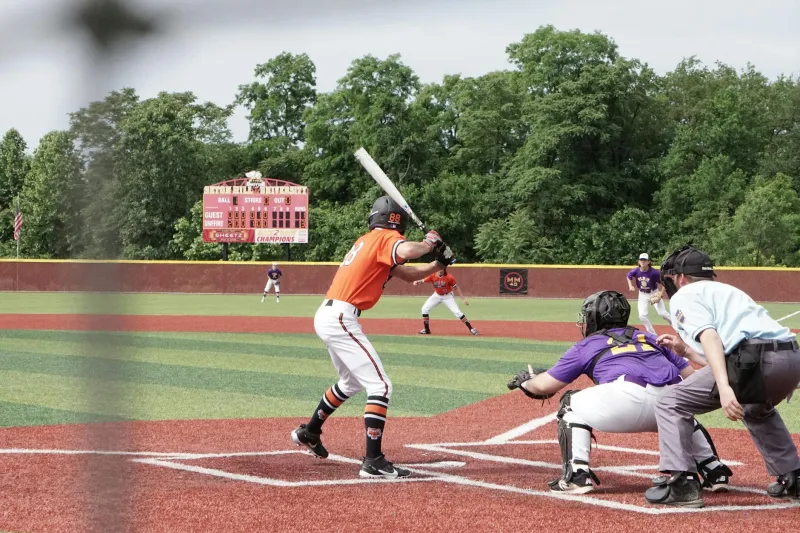
When the Lights Went Out, Baseball Finally Saw the Future

When the Lights Went Out, Baseball Finally Saw the Future

Two inventors claimed to create the modern scoreboard, but it took a catastrophic power failure at a minor league stadium to prove which technology would actually work. The blackout that changed how America keeps score forever.

The Chaos That Put Numbers on Every Jersey in America

The Chaos That Put Numbers on Every Jersey in America

Before 1915, fans had no clue who was running down the field. A single disastrous football game changed everything when organizers desperately pinned numbers on players just to stop the crowd from rioting.

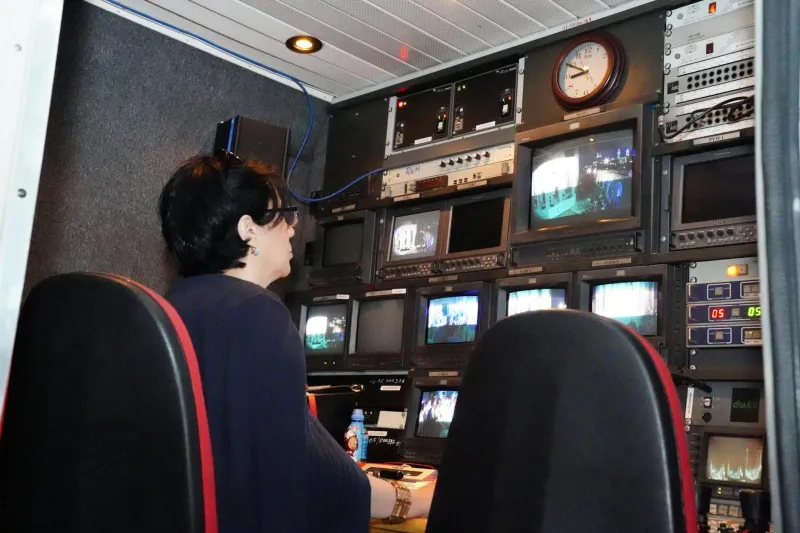
The Camera Glitch That Made Every Bad Call Reviewable

The Camera Glitch That Made Every Bad Call Reviewable

A CBS technical mistake during the 1963 Army-Navy game accidentally created instant replay, forever changing how Americans watch and argue about sports. What started as a director's panic move became the most powerful tool in modern athletics.

The Racing Program That Put Numbers on Every American Uniform

The Racing Program That Put Numbers on Every American Uniform

A crowd control problem at a Kentucky racetrack accidentally created the most sacred thing in American sports: jersey numbers. What started as a simple way to help spectators identify horses became the foundation for athletic superstitions, retirement ceremonies, and legendary careers.

How Running Out of Forks at a World's Fair Gave Baseball Its Most Beloved Snack

How Running Out of Forks at a World's Fair Gave Baseball Its Most Beloved Snack

The hot dog and baseball feel like they were made for each other — two all-American institutions bound together since the beginning of time. But the combination was basically an accident. A vendor at a World's Fair ran out of something simple, grabbed something else, and without meaning to, invented one of the most enduring food traditions in American sports history.

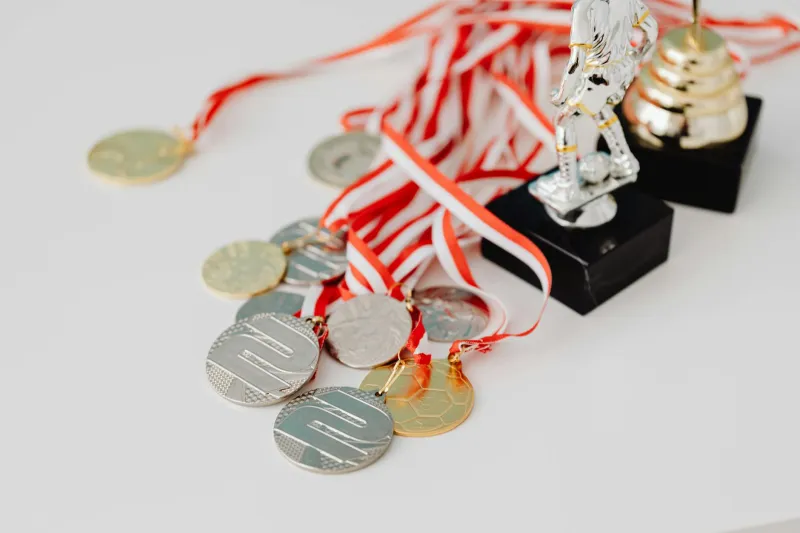
Before the Buzzer-Beater, There Was Just a Guy With a Bell

Before the Buzzer-Beater, There Was Just a Guy With a Bell

The sound that stops time in American sports — that sharp, electric blast that separates winners from losers in a single instant — didn't come from a lab or a design team. It came from factory floors, boxing gyms, and a whole lot of arguments about whether the ball left the player's hands in time. Here's how a practical noise became one of the most emotionally loaded sounds in American culture.

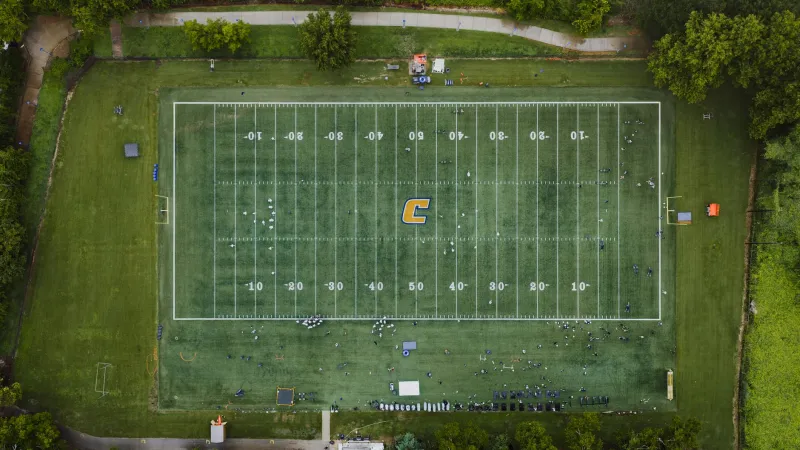
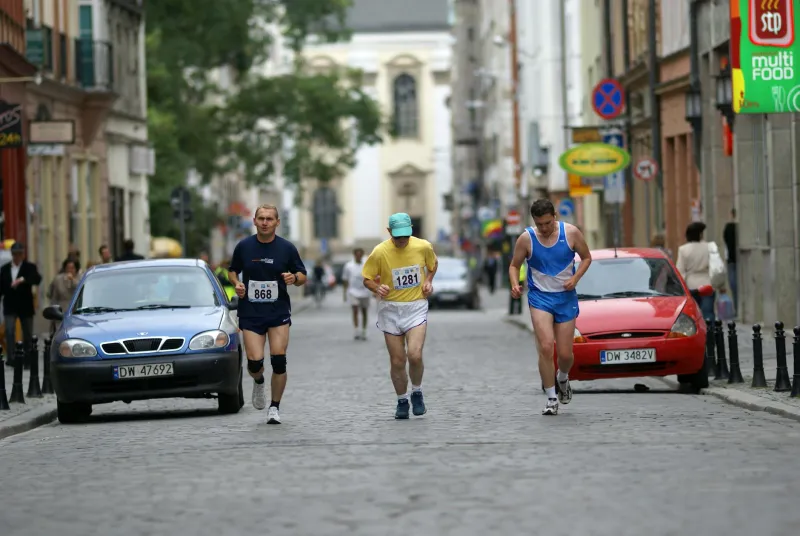
The Starting Gun Didn't Always Start Things: Racing's Messy Road to Order

The Starting Gun Didn't Always Start Things: Racing's Messy Road to Order

Every race has a beginning — a single moment when disorder becomes motion. But the tools and rituals used to create that moment didn't arrive fully formed. For most of sports history, getting a race to start cleanly was its own chaotic event, full of dropped handkerchiefs, shouting officials, and competitors who jumped the gun before there even was a gun. The story of how organized racing got its start is, fittingly, a story about false starts.

The Melted Candy Bar That Changed How America Cooks

The Melted Candy Bar That Changed How America Cooks

In 1945, a self-taught engineer noticed something strange happening in his pocket while standing near military radar equipment — and instead of brushing it off, he got curious. That small moment of curiosity launched one of the most transformative kitchen appliances in American history. The microwave oven didn't come from a research brief or a corporate mandate. It came from a melted chocolate bar.

One Chef's Bad Day Created America's Most Unstoppable Snack

One Chef's Bad Day Created America's Most Unstoppable Snack

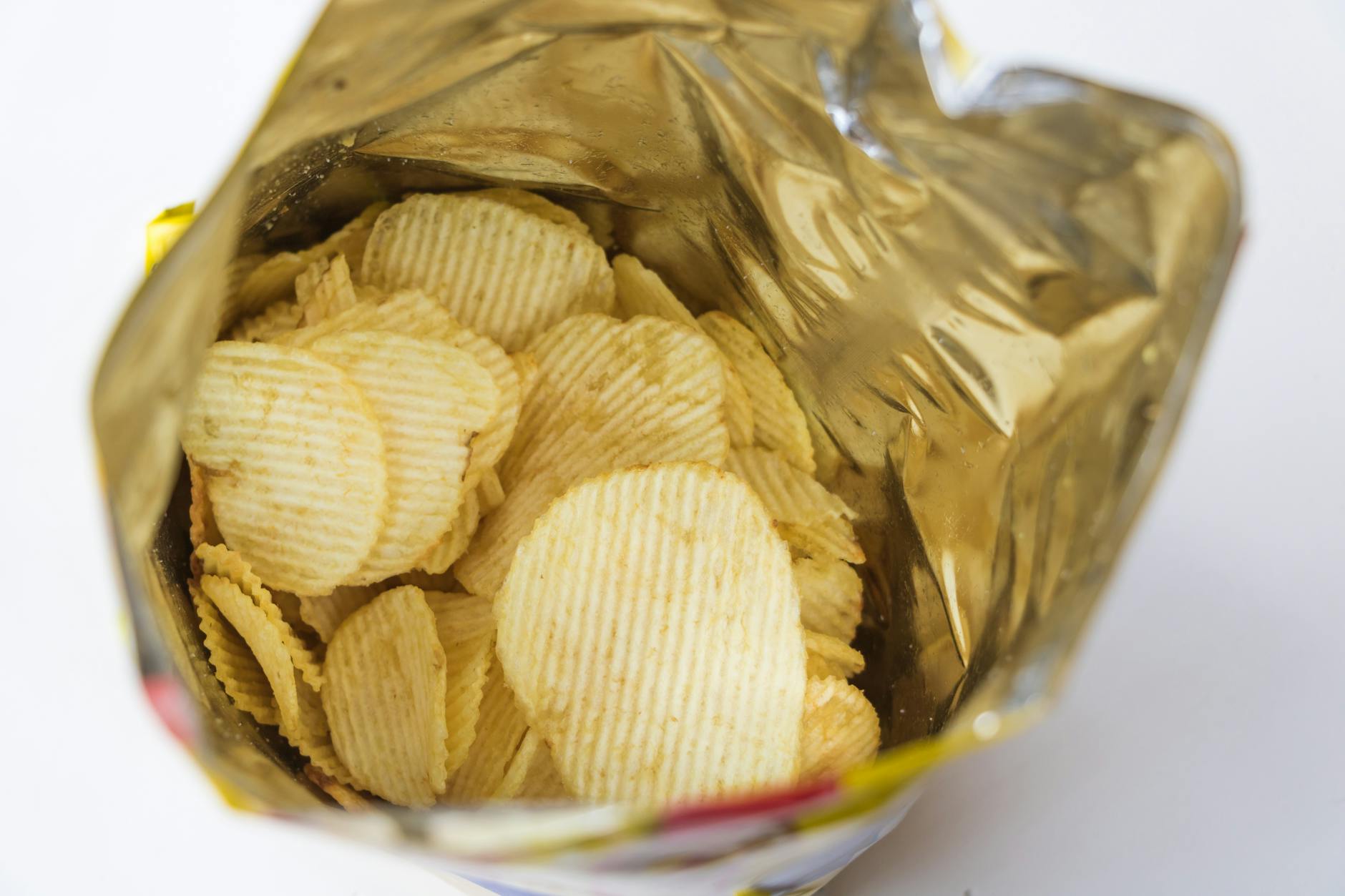
In 1853, a frustrated cook in upstate New York sliced a potato so thin it was practically see-through — not as a culinary experiment, but as a petty act of spite. That moment of kitchen frustration quietly launched a snack industry worth billions and changed the way Americans eat forever.